Frequently Asked Questions About Printing an art book Answered
Wiki Article
Discover the Necessary Guide to Art Book Printing for Aspiring Artists and Publishers
As an ambitious musician or publisher, recognizing the subtleties of art book printing is vital to bringing your vision to life. What are the essential elements you should focus on to produce a spectacular art book that absolutely represents your work?Comprehending Different Kinds of Art Books
When you plunge into the globe of art books, you'll quickly find that they can be found in various kinds, each tailored to different artistic expressions and target markets. Coffee table books frequently display magnificent visuals, excellent for informal browsing, while monographs dive deep right into an individual musician's work, giving context and insights. If you want specific art motions, exhibit magazines use comprehensive documents of shows, including essays and critiques.For instructional purposes, art guidebooks and strategy books lead you through numerous mediums and designs, making them crucial for aspiring musicians. Each style serves its function, and understanding their distinctions can boost your art book trip.
Picking the Right Paper and Products
Choosing the best paper and products can substantially influence the total top quality and feeling of your art book. For vibrant colors and detailed details, choose for a glossy coating or a heavyweight matte paper that enhances aesthetic depth.Think of the weight of the paper, as well. Thicker choices frequently lend a more professional appearance, while lighter documents can lower printing costs. Don't ignore the binding products; a sturdy cover can safeguard your web pages and include to guide's visual.
Ultimately, take into consideration sustainability. Green options are getting popularity and can mirror your worths as an artist. By thoroughly picking your paper and materials, you'll ensure that your art book not just looks fantastic but also really feels unique in the hands of your readers.
Picking the most effective Printing Techniques
When it comes to publishing your art book, selecting in between countered and digital printing can greatly affect your final product. You'll additionally wish to consider exactly how paper high quality influences the general look of your artwork. Let's explore these crucial printing techniques to discover the very best suitable for your task.Countered vs. Digital Printing
While both countered and digital printing have their benefits, choosing the right strategy for your art book can substantially affect the final item. Countered printing offers high-grade images and dynamic shades, making it suitable for larger print runs. If you're seeking to produce hundreds or countless duplicates, balance out will provide you constant results and lower per-unit expenses. On the other hand, electronic printing excels for smaller sized quantities and quicker turn-around times. It permits easy customization, allowing you to publish distinct copies without extra setup costs. Consider your budget, timeline, and the volume of your task. Eventually, your selection must align with your artistic vision and distribution technique, ensuring that your art book mirrors the top quality you prefer.Paper Quality Factors To Consider
Picking the ideal paper top quality can considerably boost the aesthetic allure and tactile experience of your art book. For prints, a glossy finish can make photos pop, while a matte surface gives a softer, a lot more refined appearance.Following, consider the sustainability of your selection. Environmentally friendly options are becoming progressively popular and can appeal to environmentally-conscious readers. Ultimately, demand examples to see exactly how various documents collaborate with your art work, making sure the end product reflects your vision flawlessly.
Ensuring Color Precision in Your Prints
To attain website stunning prints, you need to focus on color accuracy from the beginning. You'll wish to make use of color calibration techniques to confirm your display and printer remain in sync. Furthermore, proofing your job before the final print run can help capture any type of discrepancies, guaranteeing your art looks equally as you imagined.Color Calibration Methods
Guaranteeing shade precision in your prints starts with effective shade calibration techniques that assist preserve consistency in between your electronic images and last published products. Calibrate your screen utilizing hardware calibration devices to accomplish the finest color representation. This confirms that what you see on-screen suits what obtains printed. Next, choose a color account fit for your printing procedure, like CMYK for print products. Consistently examine your printer's setups and preserve it to stay clear of color changes. It's additionally necessary to utilize high-grade paper that enhances your inks, as different surface areas can greatly affect shade output. By constantly using these techniques, you'll boost the overall high quality of your art prints and far better convey your artistic vision.Proofing for Precision
While you might think your digital pictures are ready for print, proofing is vital for achieving shade precision. Before devoting to a full print run, constantly request a proof from your printer.If changes are required, connect plainly with your printer about your preferred end results. Don't be reluctant to request multiple evidence if necessary; it deserves the investment to get it right. Eventually, complete proofing guarantees that your artwork is stood for as you visualized it, maintaining your imaginative stability throughout the printing process.
Designing Layouts That Enhance Your Artwork
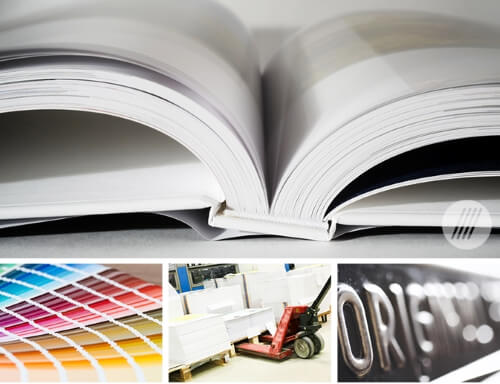
When you design layouts for your art book, it's important to contemplate exactly how each element communicates with your art work. Objective for a balance between visuals and message, making certain neither outweighes the various other. Usage white room tactically; it provides your art work art book area to breathe and attracts attention to its information.Take into consideration the circulation of your book. Set up images in a means that guides the reader's eye, producing a narrative or thematic development. art book. Vary the sizes and alignments of your artwork to keep the format vibrant and intriguing
Select typefaces that match your artwork without distracting from it. Maintain message succinct and appropriate, offering context or understanding that improves the audience's experience.
Ultimately, test different formats. Print examples to see how the designs convert theoretically, and readjust as required. By thoughtfully creating your formats, you'll produce a visually interesting art book that resonates with your audience.
Binding Choices for a Specialist End Up
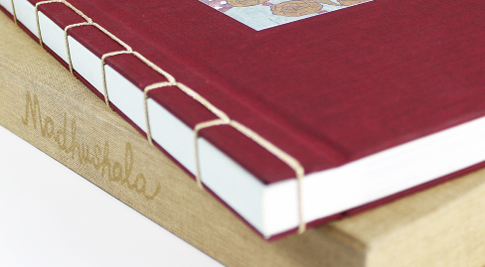
Picking the right binding option can significantly affect the general discussion of your art book. You'll intend to take into account both aesthetics and longevity when making your choice. Popular options consist of perfect binding, which offers a sleek look and is ideal for thicker books; saddle sewing, perfect for smaller brochures; and spiral binding, which permits web pages to lay level for very easy viewing.If you're going for a premium feel, case binding is an outstanding option, offering a strong cover and a specialist appearance (art book). Do not ignore the cover product; choices like towel, leather, or a glossy coating can elevate your book's allure
Whatever choice you choose, ensure it enhances your art work and boosts the visitor's experience. Take your time to consider the pros and disadvantages of each technique, so your end product shows the top quality of your imaginative vision.
Preparing Your Files for Publish Preparedness
To guarantee your art book is print-ready, you'll need to pay close focus to file prep work. Begin by setting your file size to match your desired print dimensions.Take into consideration developing a proof to examine before the final print run. Adhering to these steps will assist you attain a sleek, specialist art book.
Regularly Asked Inquiries
What Is the Ordinary Expense of Printing an Art Book?
The standard expense of publishing an art book varies, but you can anticipate to pay anywhere from $5 to $20 per duplicate, depending upon variables like size, paper high quality, and printing quantity.Exactly How Can I Find a Reliable Printing Business?
To discover a trustworthy printing company, start by researching on-line testimonials and asking fellow musicians for recommendations. Compare quotes, check profiles, and connect your demands plainly to ensure they understand your vision and top quality expectations.
What Is the Normal Turnaround Time for Printing?
The normal turn-around time for printing varies yet usually varies from one to four weeks. Variables like project intricacy and quantity can impact this. Constantly validate with your selected printer for particular timelines and assumptions.Can I Publish My Art Book in Limited Quantities?
Yes, you can certainly publish your art book in restricted amounts. Numerous printing companies use short-run choices, allowing you to create just the number you require, making it less complicated here to take care of costs and inventory.What Legal Considerations Should I Know for My Art Book?
You must think about copyright, licensing arrangements, and model launches when creating your art book. Make sure you have the right to use all images and message, protecting yourself from potential lawful issues down the road.Report this wiki page